
Description

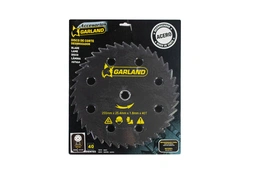
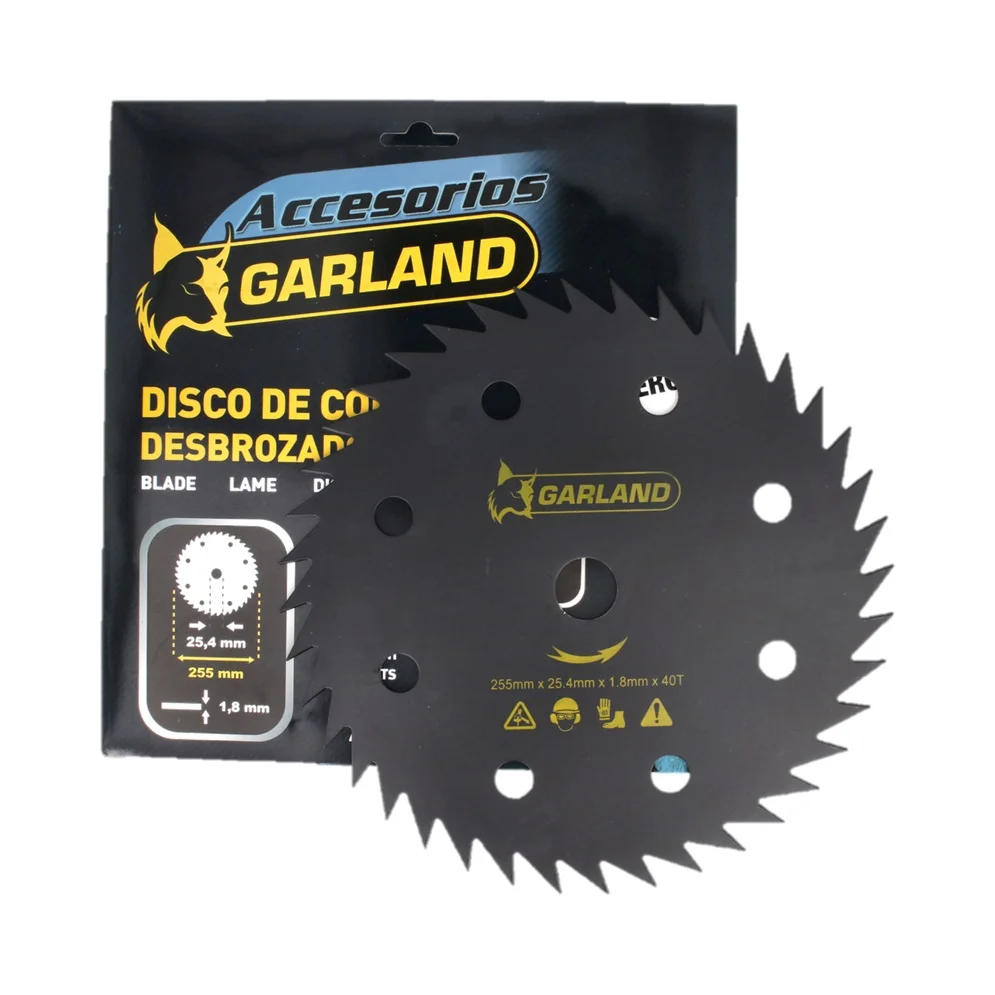
For cutting bushes and fine trees. Blade or cutting disc for brush cutter, manufactured to deal with vegetation that nylon thread cannot cut: thick undergrowth, bushes, brambles, thin branches and woody vegetation. This reference is made of steel, diameter of 255 mm and 40 teeth. With many teeth, it offers a clean and precise cut, ideal for fine branches, woody vegetation and jobs where finish matters. Remember that the use of blades on a brush cutter requires a safety harness, protective glasses and adequate technique to avoid the rebound effect. The blade must always be sharp and well fixed to the shaft of the brush cutter.

Features

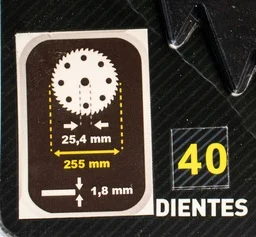
Thickness

1.8 mm

Material

Steel

Application

Brush cutters of more than 30 c.c.

Includes

Blade

Type

Fine trees

Presentation

Blister

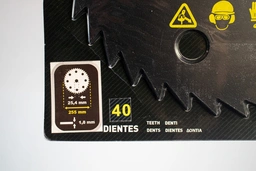
Number of teeth

40

Diameter

255 mm

Inner diameter

25.4 mm

Other spare parts that might interest you

Our latest reviews on Google

4.9/5 (428 customer reviews on Google)

Frequently Asked Questions

What is this blade for?

For cutting bushes and fine trees. Highlighted features: outer diameter: 255mm, inner diameter: 25.4mm and thickness: 1.8mm. It is a brush cutter cutting blade designed to tackle tough vegetation that nylon thread cannot cut: thick brush, thin branches, brambles and woody undergrowth. It allows you to undertake more demanding clearing jobs with the same machine.

What number of teeth does it have and what is it for?

This blade has 40 teeth. With many teeth it offers a clean and precise cut, ideal for fine branches, woody vegetation and jobs where the finish and durability of the cut matter.

Is it compatible with my brush cutter?

This blade has a diameter of 255mm. For it to be compatible you must verify two things: that the diameter fits your brush cutter (consult the equipment manual) and that the central hole of the blade matches the diameter of the shaft of your machine. Most blades are universal thanks to the inclusion of adapters.

What precautions should I take when using a blade?

When cutting with a blade instead of string, the risk of "kickback" increases. It is mandatory to use a safety harness, glasses, helmet with visor, gloves and protective footwear. Always work with the machine steady, avoiding lateral contact with stones or hard obstacles that can damage the blade and project fragments.

When should I change the blade?

Replace the blade when the teeth are excessively worn, warped or broken, or when cracks appear on the disc. A blade in poor condition can break during cutting and project fragments at high speed, with serious risk to the operator and third parties.

Contact us and we’ll help you find your spare part.

Our headquarters are in Madrid, but we have a network of more than 150 workshops across Spain, Italy, and Portugal.

Technical Services